

Getting the right insurance for Uber Eats delivery work isn’t optional – it’s a legal requirement that protects you, your vehicle, and your earning potential. Whether you’re delivering by car, van, motorcycle, moped, scooter, or bicycle, understanding exactly what coverage you need and which providers offer the best options can save you money and keep you legally compliant on the road.
Insurance Requirements by Vehicle Type
The insurance you need depends entirely on what vehicle you use for deliveries. Motor vehicles require hire and reward insurance, while bicycles have different requirements altogether.
Cars and Vans
If you deliver by car or van, you must have two types of insurance coverage. First, you need standard Social, Domestic and Pleasure (SD&P) insurance for personal driving when you’re not working. Second, you need Hire and Reward (H&R) insurance – also called food delivery insurance – which covers you while actively making deliveries for payment. You might be able to combine them both into a single policy, but more about this later.
Your standard personal car insurance policy won’t cover you during delivery work, and driving without proper H&R coverage could void your entire policy and leave you uninsured. Many insurers now offer combined policies that include both SD&P and H&R coverage in one package, simplifying your insurance management.
Motorcycles, Mopeds, and Scooters
Riders using motorcycles, mopeds, or scooters need the same H&R insurance requirements as car drivers. You must hold the relevant motorcycle or moped license for your vehicle category, and your vehicle cannot be more than 20 years old. Combined SD&P and H&R policies are available specifically for two-wheeled delivery vehicles from providers like Zego, INSHUR, and Admiral.
Bicycles and E-Bikes
Cyclists delivering for Uber Eats don’t legally require any insurance. This includes both standard pedal bicycles and UK-legal electric bikes (e-bikes limited to 15.5mph with 250W motors). However, many cyclists choose to purchase theft and damage coverage to protect valuable bikes, plus public liability insurance to cover potential accidents involving pedestrians or property.
Understanding Hire and Reward Insurance
Hire and Reward insurance is commercial motor coverage specifically designed for anyone transporting goods or passengers for payment. This is the essential policy that makes food delivery work legal in the UK.
H&R insurance typically comes in three coverage levels. Third Party Only (TPO) covers damage to other people’s vehicles and property but not your own vehicle. Third Party, Fire and Theft (TPFT) adds protection if your vehicle is stolen or damaged by fire, plus third-party coverage. Comprehensive coverage provides the highest level of protection, covering your vehicle, third-party vehicles, and additional risks.
Most delivery drivers opt for comprehensive coverage because it provides the best protection for your primary income-earning asset – your vehicle.
Eligibility Requirements
To qualify for Uber Eats insurance in the UK, you must meet specific criteria. You need to be at least 23 years old and hold a valid UK or EU driving license. Your vehicle must be a car with up to eight passenger seats, a van with up to two passenger seats, or a motorcycle/moped/scooter with appropriate licensing. The vehicle cannot be more than 20 years old, and you must reside and work within the UK.
Top Insurance Providers for Uber Eats Drivers
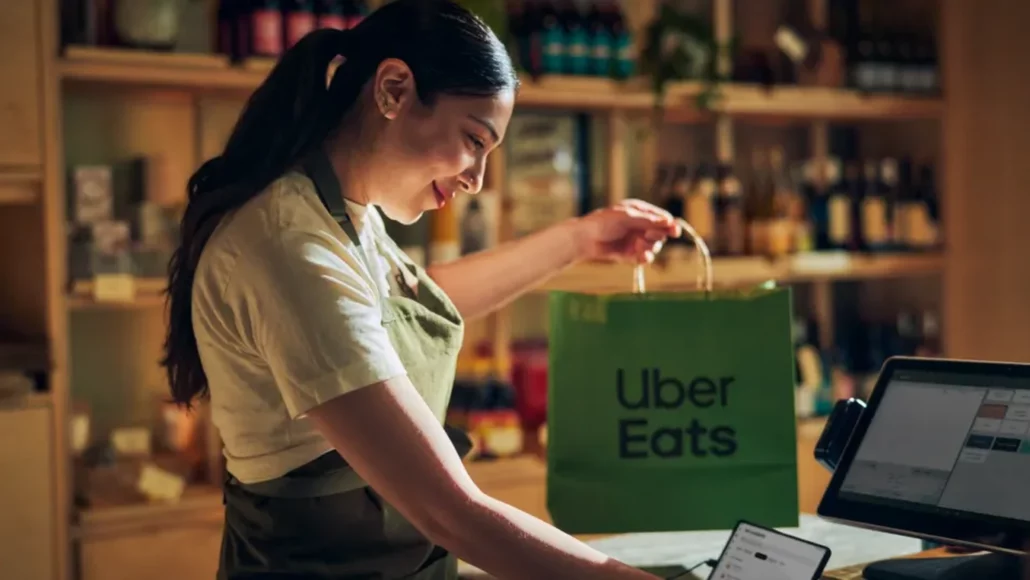
Several specialist insurers serve the UK food delivery market, each offering different pricing models and features. Understanding your options helps you find the best fit for your working patterns.
Zego
Zego ranks as the leading food delivery insurance provider in the UK because of its flexible pricing models that match how gig workers actually operate. The company offers three distinct options: pay-as-you-go (charged by the hour), 30-day rolling policies, and annual coverage.
The pay-as-you-go option charges from £0.80 per hour and works perfectly for part-time drivers or those with unpredictable schedules. The app automatically tracks when you’re actively delivering and only charges for that time. Monthly policies start from £98 for combined H&R and SD&P coverage, while annual policies begin at £1,023.
Zego is approved by Uber and covers all major delivery platforms including Uber Eats, Deliveroo, Amazon Flex and Just Eat with the same policy. However, be aware that some traditional SD&P insurers don’t accept Zego’s top-up H&R coverage as valid, so check with your existing insurer before relying on Zego’s H&R-only option.
INSHUR
INSHUR specialises in digital-first insurance designed specifically for gig economy workers. They offer 30-day rolling policies and annual policies, both covering food delivery and courier work across multiple platforms. SD&P coverage is included as standard in their policies.
The entirely online platform lets you quote, purchase, and manage your policy instantly through their app. INSHUR provides multi-platform coverage for Uber Eats, Deliveroo, Just Eat, and other services, making them ideal for drivers who work across multiple apps. Their policies cover cars, vans, scooters, and mopeds.
Admiral
Admiral offers traditional commercial delivery insurance with competitive pricing for drivers working regular hours. As one of the UK’s most recognizable insurance brands, Admiral appeals to drivers who prefer established providers over app-based specialists.
Their hire and reward documentation is straightforward and accepted by all major delivery platforms. Admiral provides optional extras including breakdown cover and equipment protection, plus they have a strong reputation for claims handling compared to budget providers. Pricing tends to be most competitive for full-time drivers working consistent schedules.
Freedom Brokers
Freedom Brokers takes a more traditional courier insurance approach, treating delivery work as professional service rather than casual gig work. They offer comprehensive courier insurance with optional public liability add-ons, appealing to drivers who rely on delivery income as their primary source of earnings.
Kingsbridge
Kingsbridge specializes in insurance for contractors and self-employed professionals, bringing that expertise to delivery driver coverage. Their policies tend to be broader in scope than basic H&R coverage, with options to include public liability insurance. This makes them particularly suitable for drivers working in busy urban environments or delivering in commercial settings where additional liability protection is valuable.
Quotezone and Comparison Sites
Quotezone and similar comparison services help drivers compare multiple hire and reward providers simultaneously. This approach ensures you’re seeing the full market before choosing a policy, potentially saving hundreds of pounds annually by identifying the most competitive rates for your specific circumstances.
Acorn Insurance
Acorn remains a useful alternative for drivers who need broader acceptance criteria or may not qualify with other providers. While they sit lower in rankings due to narrower appeal, they fill an important niche for drivers with less conventional situations.
Insurance Costs: What to Expect
Food delivery insurance costs more than standard personal car insurance because delivery drivers face higher accident risks. You’re driving in busy locations during peak traffic times, often under time pressure, which statistically increases accident likelihood.
Expect to pay between £0.80 per hour for pay-as-you-go coverage, £110-£150 per month for monthly policies, or £650-£1,200 annually for year-long coverage. Your specific cost depends on several factors including your age, location, driving history, vehicle type, coverage level, and working hours.
Younger drivers, those with previous accidents or violations, and drivers in high-risk urban areas typically pay higher premiums. Conversely, experienced drivers with clean records working in lower-risk areas often secure the best rates.
What’s Covered Under Food Delivery Insurance
A comprehensive food delivery insurance policy typically includes public liability coverage protecting you if someone is injured or their property is damaged during a delivery. Legal defense costs are covered if you’re taken to court following an incident.
Many policies offer optional add-ons including windscreen cover, EU coverage if you travel across borders, breakdown assistance, courtesy car provision during repairs, personal belongings protection, personal accident coverage for medical costs, and replacement lock and key coverage.
Important Exclusions
Your insurance won’t cover certain situations. You’re not protected when driving with an expired or suspended license, driving under the influence of alcohol or drugs, or damages caused by negligence. Personal driving isn’t covered unless SD&P is included in your policy, and personal belongings typically aren’t covered unless you’ve added that specific protection.
Unnamed or uninsured drivers are never covered, and any delivery work completed without active H&R coverage voids your protection entirely.
Additional Insurance Considerations
Beyond basic H&R coverage, some drivers benefit from additional policies. Goods in Transit insurance covers compensation and legal fees if items you’re delivering are lost, stolen, or damaged – generally unnecessary for food delivery but important if you also courier higher-value products.
Public Liability insurance covers injuries or deaths caused by accidents you’re responsible for, plus property damage. Some delivery platforms like Deliveroo provide this coverage automatically for their riders.
Personal Accident insurance helps with lost income and medical costs if you’re injured or become ill. Again, some platforms provide this as standard, but independent coverage ensures you’re protected regardless of which platform you’re working for.
Choosing the Right Insurance Strategy
Your ideal insurance depends on your delivery patterns. Part-time drivers working irregular hours benefit most from pay-as-you-go options like Zego’s hourly model, paying only for actual delivery time. This prevents wasting money on coverage during weeks when you’re not working.
Regular part-time drivers working consistent weekly schedules often find 30-day rolling policies from INSHUR or Zego more economical. These provide predictable monthly costs without long-term commitment.
Full-time drivers working most days should consider annual policies from providers like Zego, Admiral, or Kingsbridge. Annual coverage typically offers the lowest per-day cost and eliminates monthly renewal hassles.
Multi-app drivers working across Uber Eats, Deliveroo, Just Eat, and other platforms need policies explicitly covering multiple delivery services. Most specialist providers like Zego and INSHUR include multi-platform coverage as standard, but always confirm before purchasing.
Getting Started with Uber Eats Insurance
Before you can deliver your first order, you’ll need to upload valid insurance documentation to your Uber Eats driver account. The platform requires a Certificate of Motor Insurance showing hire and reward coverage for food delivery.
Most specialist insurers provide instant digital certificates that you can screenshot and upload immediately after purchase. Traditional insurers may take several days to issue documentation, so plan accordingly when starting delivery work.
Keep your insurance documents current in the app – expired coverage will suspend your account until you upload renewed certification. Set calendar reminders for renewal dates to avoid disruption to your earning ability.
Is Food Delivery Insurance Worth the Cost?
While food delivery insurance adds significant expense to your operating costs, it’s non-negotiable for legal motor vehicle operation. The real question isn’t whether to get insurance, but which type best matches your working patterns to minimize unnecessary costs.
Drivers who strategically choose pay-as-you-go coverage for occasional work or annual policies for full-time delivery can manage insurance as a reasonable business expense rather than a profit-draining burden. The key is honestly assessing how many hours you’ll realistically work and choosing the pricing model that matches that reality.
Remember that operating without proper insurance doesn’t just risk fines and prosecution – it could leave you personally liable for damages in an accident, potentially bankrupting you. The cost of proper coverage is always cheaper than the consequences of driving uninsured.