
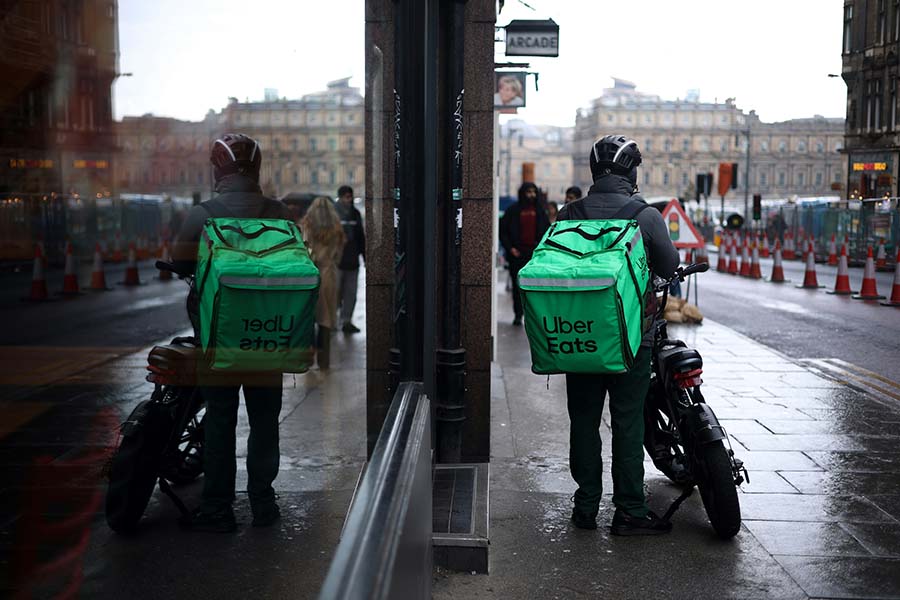
If you’re considering becoming an Uber Eats driver or simply curious about the earning potential, understanding the payment structure and realistic income expectations is crucial. While food delivery offers flexibility and the freedom to be your own boss, the financial reality varies significantly based on several factors.
Understanding the Pay Structure
Uber Eats operates on a per-delivery payment model rather than an hourly wage, meaning your earnings fluctuate based on the number of deliveries you complete. The payment structure includes several components that work together to determine your fee for each delivery.
In London, the breakdown typically looks like this: you’ll receive a pick-up fee of £1.10 for collecting the order from the restaurant, a drop-off fee of £0.80 for completing the delivery, and a distance-based rate of £1.10 per mile traveled. Every delivery is guaranteed a minimum fee of £2.80, ensuring you won’t earn less than this baseline amount regardless of distance. These rates vary across different UK cities, with pick-up fees ranging from £0.50 to £3.00 depending on your location.
One valuable aspect of the Uber Eats platform is customer tips, which can boost your earnings. Customers have up to seven days after delivery to add a tip through the app, meaning you might receive additional income days after completing a delivery.
Realistic Earning Potential
Experienced Uber Eats drivers in the UK typically earn between £15 and £20 per hour before expenses, with location, timing, and strategy playing crucial roles in reaching the higher end of this range. London-based drivers who work strategically during peak hours can consistently hit these earnings, while those in smaller cities may see slightly lower rates.
Daily earnings can range from £60 to £160 depending on how many hours you work and how busy your delivery area is. For drivers working six days per week at eight hours per day, monthly income typically falls between £1,920 and £5,120. This range reflects both part-time drivers who work during slower periods and experienced drivers who maximise their time during peak hours.
Over the course of a year, drivers who maintain consistent schedules and work smart can expect to earn between £23,400 and £41,600. Reaching the higher end requires dedication, strategic timing, working in high-demand areas, and understanding when surge pricing is most likely to activate.
What Affects Your Earnings
Your actual income as an Uber Eats driver depends on multiple variables that you can partially control. Time of day plays a significant role – peak hours during lunch (12pm-2pm) and dinner (6pm-9pm) typically offer more orders and higher surge pricing. Weekend evenings are particularly lucrative when demand spikes and restaurants are busiest.
Location matters tremendously. Urban areas with dense populations and numerous restaurants naturally generate more orders than suburban or rural zones. London, Manchester, Birmingham, and other major cities offer the most consistent earning opportunities, with London generally providing the highest potential earnings.
Surge pricing and boost promotions activate during periods of high demand, allowing you to earn significantly more per delivery. These multipliers can increase your base pay by 1.2x to 2.5x during particularly busy periods, making strategic timing essential for maximising income. Understanding your local market patterns – when office workers order lunch, when families order dinner, when late-night cravings peak – helps you position yourself for these opportunities.
Customer tips also impact your bottom line, with the average tip ranging from 15% to 20% of the order value. Providing excellent service – delivering quickly, communicating professionally, and ensuring food arrives in good condition – encourages customers to tip generously. Some drivers report that tips can add an additional £2-£5 per hour to their base earnings.
Maximising Your Hourly Rate
The difference between earning £15 and £20 per hour often comes down to efficiency and strategy. Successful drivers position themselves in areas with high restaurant density to minimise time between orders. They learn which restaurants prepare food quickly and which ones consistently run late, allowing them to accept or decline orders strategically.
Multi-apping – using multiple delivery platforms simultaneously like Deliveroo or Just Eat alongside Uber Eats – can reduce downtime between deliveries. However, this requires careful coordination to avoid accepting overlapping orders that you can’t fulfill.
Vehicle choice also impacts earnings. Cyclists in compact city centers can sometimes match or exceed driver earnings during peak hours by avoiding traffic and parking hassles. Motorbike riders often achieve the best balance of speed and fuel efficiency. Car drivers have the advantage in suburban areas with longer distances between deliveries.
Proven Strategies for Reaching Over £20 Per Hour

Top-earning drivers consistently employ specific tactics to maximise their hourly rate. Master your territory by spending your first few weeks learning the geography intimately – knowing shortcuts, parking spots near popular restaurants, and which buildings have tricky access saves valuable minutes on each delivery. Create a mental map of where surge pricing typically activates and position yourself accordingly before peak periods begin.
Accept orders selectively rather than taking every request. Calculate the estimated time versus pay for each order before accepting. A £3.50 delivery that takes 25 minutes (including waiting time) earns you £8.40 per hour, while three £3.20 deliveries completed in 30 minutes total nets you £19.20 per hour. Decline orders from restaurants with consistently slow preparation times unless surge pricing makes the wait worthwhile.
Batch orders strategically during surge periods. When demand spikes and multiple orders appear simultaneously, accepting stacked deliveries from the same restaurant or nearby locations can dramatically increase efficiency. Some experienced drivers report completing 4-5 deliveries per hour during optimal conditions by batching effectively.
Build relationships with restaurant staff at your most frequent pickup locations. Being friendly and professional can result in faster service when you arrive, and some restaurants prioritise regular delivery partners. Those saved minutes add up significantly over a full shift.
Track your performance data meticulously. Note which days, times, and locations yield the highest earnings per hour. Weather patterns matter too – light rain often increases orders without significantly impacting delivery speed, while heavy downpours may not justify the surge pricing. Use a simple spreadsheet to identify your most profitable working patterns, then schedule yourself accordingly.
Maintain your acceptance rate strategically. While Uber doesn’t officially penalise low acceptance rates, maintaining above 85% during non-peak hours ensures you receive priority when surge pricing activates. During surges, you can be more selective since order volume is high.
Seasonal Variations and Special Opportunities
Understanding seasonal demand fluctuations helps you plan your working schedule throughout the year. January through March typically sees reduced orders as customers recover from Christmas spending and make healthier eating choices for New Year resolutions. Earnings during these months may dip toward the £15 per hour range even during peak times.
Summer months bring mixed results – warm weather encourages outdoor dining and reduces delivery demand on pleasant days, but rainy summer evenings can be surprisingly lucrative. University towns see dramatic drops when students leave for summer break.
The golden earning period runs from September through December. Students return in autumn, colder weather keeps people indoors, and November-December brings consistent high demand with Christmas parties, Black Friday, and general holiday spending. Drivers often report their highest earnings during this quarter, with some consistently hitting £20-£22 per hour during evening shifts.
Special events create earning spikes worth planning around. Sporting events like Premier League matches, boxing pay-per-views, and major tournaments generate massive order volumes. Bank holidays, especially those with poor weather, can be exceptionally profitable. New Year’s Eve and the days following Christmas consistently rank among the year’s highest-earning days.
Important Considerations
While the earning figures above represent gross income, remember that you’re operating as a self-employed contractor. This means you’ll need to account for expenses including fuel, vehicle maintenance, insurance, mobile phone costs, and insulated delivery bags. These expenses can reduce your take-home pay by 20-40% depending on your vehicle and efficiency.
Cyclists face the lowest expenses but may complete fewer deliveries per hour in spread-out areas. Motorbike riders balance good speed with moderate fuel costs. Car drivers can complete more deliveries in suburban zones but face higher fuel and maintenance expenses.
You’ll also need to handle your own tax obligations, including registering as self-employed with HMRC and potentially paying National Insurance contributions. Setting aside roughly 20-25% of your earnings for tax throughout the year prevents unwelcome surprises when your tax bill arrives.
It’s worth noting that Uber’s PCO-licensed ride service in London pays similarly or slightly more – averaging around £20.48 per hour. If you have the proper licensing and vehicle, combining both services during different times of day could provide more consistent income throughout your shifts.
Is It Worth It?
The answer depends on your circumstances and goals. Uber Eats offers genuine flexibility – you can work whenever you want without committing to shifts or schedules. This makes it ideal for students, parents with childcare responsibilities, or anyone seeking supplementary income alongside other work.
As a primary income source, the £15-£20 per hour range can provide a viable living, particularly if you work full-time hours and manage expenses carefully. After accounting for costs, experienced drivers typically net £10-£14 per hour, which translates to roughly £20,000-£29,000 annually for full-time work. While this falls below the UK average salary, it offers independence and flexibility that traditional employment can’t match.
The physical demands of constant cycling or driving, unpredictable income fluctuations, and lack of employment benefits like holiday pay or sick leave are important considerations. Weather conditions significantly affect both your comfort and the volume of orders – rainy evenings often bring surge pricing but also make deliveries more challenging.
For those who approach it strategically – working peak hours, operating in high-demand areas, maintaining low vehicle costs, and continuously optimising their methods – Uber Eats can provide reasonable income. The key is having realistic expectations and understanding that success requires consistent effort and smart decision-making about when and where you work. The drivers earning £20 per hour aren’t just lucky – they’re applying proven strategies, tracking their performance, and continuously refining their approach.